
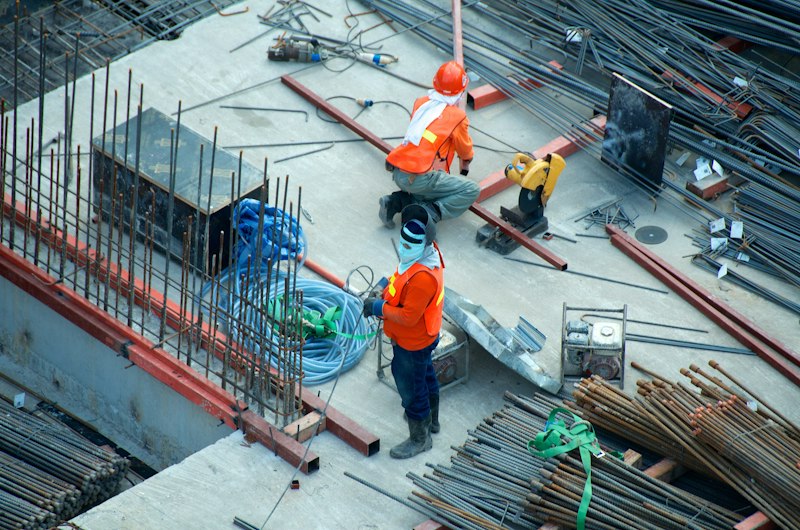
A site visit is the most direct way to understand what's really happening on your project. Drawings and reports tell you what should be happening; a site visit tells you what actually is.
But site visits aren't just for when something goes wrong. Here are the key moments when an independent site visit adds the most value.
Before Major Milestone Payments
If you're about to release a significant progress payment, a site visit confirms that the work claimed has actually been completed to the required standard. This is especially important on lump-sum contracts where the builder's progress claims drive your cash flow.
After a Key Stage is Completed
When a major structural element is finished — foundations, frame, envelope — a site visit checks workmanship and alignment with the approved design before subsequent stages lock in any issues. Catching a problem at frame stage is far cheaper than discovering it at handover.
When Variations Are Accumulating
If variations are stacking up and the reasons seem unclear, a site visit gives you independent eyes on the ground. You'll understand whether the variations are genuine scope changes, or whether they stem from issues that should have been picked up earlier.
Before Final Handover
A pre-handover site visit identifies defects, incomplete works, and items that don't meet specification before you take possession. This gives you a punch list to resolve with the builder while you still have contractual leverage.
When Something Doesn't Feel Right
Trust your instincts. If progress reports don't match what you're seeing, if the builder's explanations don't add up, or if you're being asked to approve something you don't fully understand — a site visit provides clarity and independent reassurance.
What a Site Visit Includes
A typical advisory site visit covers progress against program, workmanship quality, compliance with approved drawings, safety observations, and emerging risks. You get verbal feedback on the day, with an optional written summary report for your records.